 Barta Mela bangla online newsportal

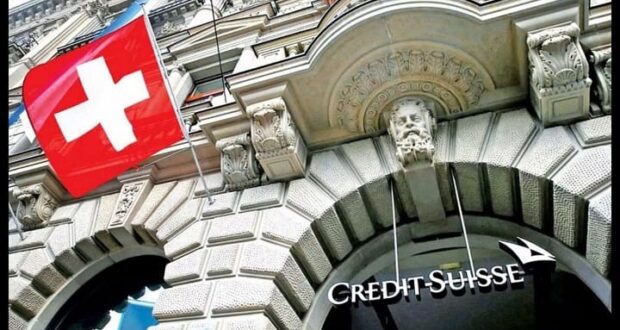

Md. Al Masum Khan: A dramatic spike in Bangladeshi money deposited in Swiss banks has triggered new concerns over illicit financial flows and political instability. According to the Swiss National Bank (SNB), Bangladeshi citizens and entities deposited CHF 589.54 million in Swiss banks by the end of 2024 — a staggering 33-fold increase compared to the previous year.
In Bangladeshi currency, this equals approximately BDT 8,972 crore (USD 654 million), based on an exchange rate of BDT 150 per franc. In contrast, total Bangladeshi deposits in 2023 stood at just CHF 17.7 million — around BDT 264 crore — highlighting an unprecedented outflow of wealth within just 12 months.
Political Unrest and Capital Flight :
The report, released on May 19, 2025, by the SNB as part of its annual disclosure on foreign assets in Swiss banks, does not name individual account holders or identify specific transactions. However, Bangladeshi analysts and financial watchdogs point to a common underlying cause : fear of political collapse.
With mass protests, economic pressure, and increasing international criticism of the Sheikh Hasina government, many believe politically connected elites are moving their assets abroad in anticipation of regime change. Bangladesh has a long history of politically exposed persons (PEPs) using offshore banking networks to shelter their wealth during times of uncertainty.
> This massive increase is likely a reflection of panic among the elite class — politicians, top bureaucrats, and businessmen — who are rapidly transferring assets fearing accountability, said an economist from Dhaka University who spoke on condition of anonymity.
History Repeats: A Boom-Bust-Boom Pattern
This is not the first time such a trend has emerged. In 2021, Bangladeshi deposits in Switzerland peaked at CHF 871.1 million — the highest in the country’s history. That figure later plunged sharply over the next two years, falling to a record low by 2023, only to surge again in 2024.
Between 2022 and 2023, over BDT 11,000 crore was withdrawn from Swiss accounts held by Bangladeshis. The reversal in 2024 suggests a renewed drive to transfer wealth overseas, particularly through secretive and largely untraceable mechanisms.
How the Money Leaves Bangladesh
Illicit financial outflows from Bangladesh typically follow well-documented pathways:
Trade misinvoicing Overpricing imports or underpricing exports to shift funds abroad.
Hundi/Hawala Informal remittance systems that bypass banking channels.
Offshore shell companies — Often set up in tax havens for money laundering or tax evasion.
Fake or inflated development contracts Funds diverted from large government projects.
NGO misuse and aid diversion — In some cases, foreign aid is siphoned off through fraudulent accounting.
A 2023 report by Global Financial Integrity (GFI) estimated that Bangladesh loses over USD 7 billion annually due to trade misinvoicing and capital flight.
Swiss Secrecy and Global Trends
Although Switzerland has been under increasing pressure to reduce banking secrecy, loopholes remain. The SNB clarifies that the disclosed figures exclude :
Deposits by dual nationals or naturalized Swiss citizens.
Assets held through proxies or foreign companies.
Non-cash holdings like gold, diamonds, or jewelry.
As Swiss confidentiality laws begin to loosen under OECD and FATF regulations, many wealthy individuals are now shifting their funds to newer havens like Luxembourg, the Cayman Islands, the British Virgin Islands, and Bermuda countries that still provide strong secrecy protections and limited transparency obligations.
Domestic Inaction and Institutional Weakness :
Bangladesh’s financial authorities including the Anti-Corruption Commission (ACC) and the central bank have so far failed to respond with clarity or urgency. Legal limitations, political interference, and lack of international coordination have prevented meaningful investigations or asset recovery.
Despite pledges from successive governments to crack down on money laundering, enforcement remains inconsistent, and prosecutions are rare.
> When the system protects the looters, offshore banking becomes a tool of power rather than a crime, remarked a retired anti-corruption official in Dhaka.
The Bigger Picture :
This 33-fold increase in Swiss deposits by Bangladeshis is not merely a data anomaly — it is a reflection of deep-rooted structural corruption, political instability, and the systemic failure to safeguard public wealth.
At a time when Bangladesh is grappling with inflation, currency devaluation, job scarcity, and public debt, the revelation that billions are being siphoned off to secretive bank accounts abroad is both alarming and morally outrageous.
The country’s development, social equity, and democratic integrity are at stake if financial governance and accountability are not radically reformed.